EPIC FANDOM STITCHALONG – BAND 16
MERCY
After the last band, everyone who is still sticking with this project deserves something simple. Very simple. This would also be a useful learning exercise for someone wanting to try a first strip in double running or back stitch. There are no surprises here at all.
Time Factor 1 for a nice, quiet, symmetrical repeat that returns us to alignment with the indicated project center line.
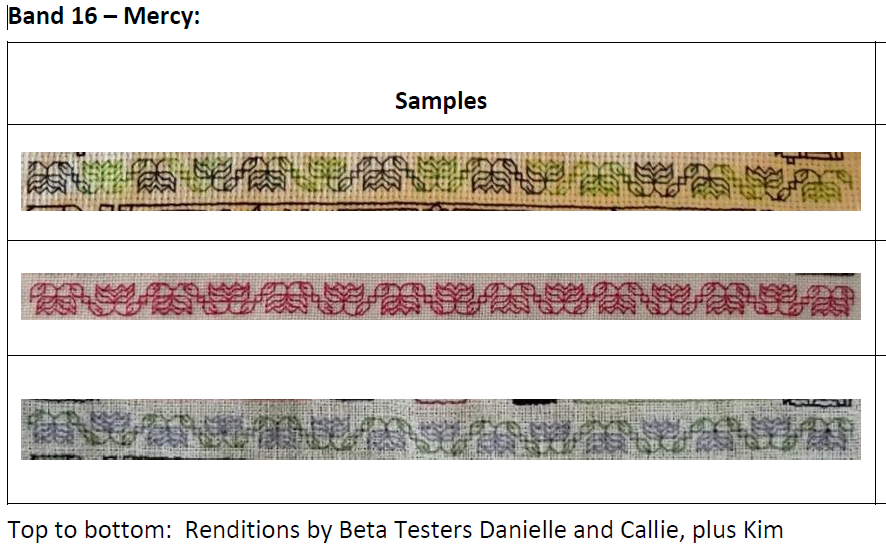
Use one color, multiple colors, or variegated threads, as you prefer. As with the rest of Epic, there are no rules or must-do approaches.
As usual this band plus working notes and hints has been appended to the bottom of the write-up on the SAL page, accessible via this link or via the tab at the top of every page here on String-or-Nothing.
If you are working our Epic Fandom SAL either as a whole or as a strip excerpt, please let me know. It gives me great joy to see how my “pattern children” fare out in the wide, wide world, especially when they meet up with creative, playful people. And if you give permission, I’d be happy to share your pix of this developing sampler, it in its finished state, or derivative projects including one or more of the Epic bands here on String, in a gallery post, with full credit to you as interpretive artist.
Band 17 debuted on he Facebook Enablers group today and will be echoed here on 19 July.
#EpicFandomSAL
MINOR ADVENTURE
Off tomorrow to assist Younger Offspring’s migration to a new apartment. After graduation comes employment – in this case, done remote from home. And the current place (above a bar on a main street) was not quite as conducive to quiet productivity as might be desired.
The spawn is past the years when Mom-rescue is needed. I’ll not be schlepping furniture, but trusty company and someone with a van plus tons of laundry baskets in which to transport house plants will be appreciated. As a result I’ll be mostly off line until late in the holiday weekend.
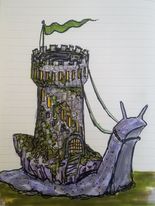
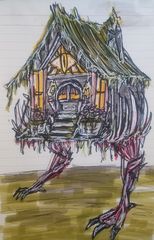
Oh. And while Mom-rescue isn’t on the performance list, Mom-pride is. I gotta show off. The artwork here is Younger Offspring’s – a few quick pieces dashed off to frame the perfect moving mindset.

AND ON THE WALL IT HANGS!
At long last, the tambour embroidered cotton rug we bought in India is on display! I have always wanted to put it someplace, but was loathe to use it on the floor. We did so in our apartment in Pune, and being fragile, keeping it clear of the sacred dust of the subcontinent was a bit of a challenge. I’ve been plotting and planning to hang it instead. But where? At one time I considered the stairwell or either the upstairs or downstairs hall, but when I began thinking about transforming the former bedroom of our now-independent Eldest into my office, greed overcame my desire to post it in a more public area of the house.
But how to do so? I asked the Interwebs, and got answers from a number of people including folk who have staged hanging textile exhibits for museums, private collections, and adjudicated fairs. Consensus was to back the top edge of the piece with 4-inch (10cm) Velcro, with the fuzzy side sewn to the rug. Then mount a board on the wall, staple the hook side of the Velcro to that, and suspend the piece that way.
So we did. It took a lot of effort to stitch the heavy mounting strip to the back of the rug. I had to go through the folded selvedge edge of the rug, the canvas the front was backed by (with its own folded down seam allowance), while avoiding piercing through to the front. I used a curved upholstery needle, abetted by the firm grip of a pair of pliers. I averaged about 6-10 inches per day, and the piece is just under 9 feet wide.

Affixing the mounting board to the wall went rather quickly. The Resident Male identified stud locations, leveled the thing, and used long screws for the install.

I then used a staple gun to affix the hook side of the Velcro to the board, and smoothed the two sides of the hook and loop tape together. No pix of that though, my hands were full of Velcro roll and the staple gun.
And the finished result!

It’s in a corner that’s well protected from direct sunlight, nestled between bookcases holding my needlework and knitting library. The Berber rug on the floor is something we’ve had for many years. I will need to empty the two small bookcases so I can unroll it fully, then replace the bookcases on top and re-fill them. But that’s another day.
In the mean time, a tale of experience.
This is what the rug looked like when we bought it, and what it looks like today.

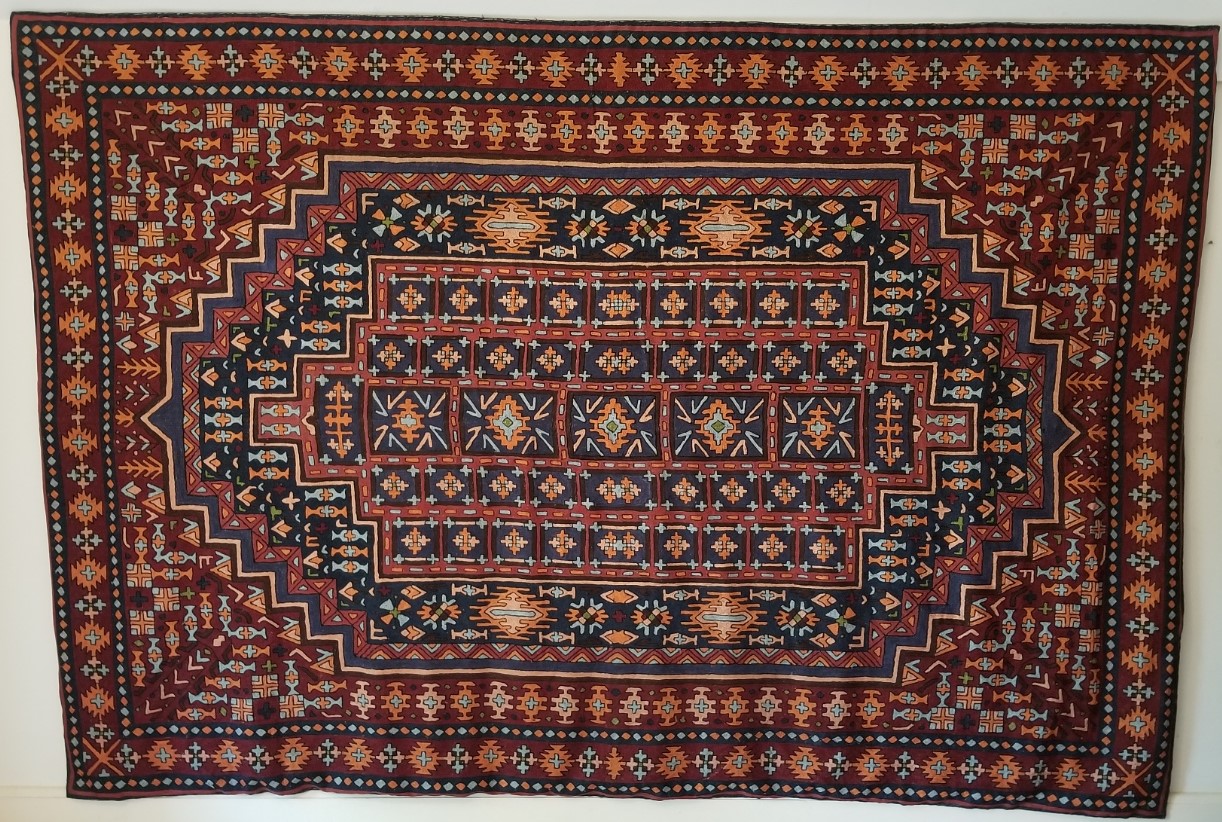
The colors of both are true. The bright crayon reds, intense blue, and the near neon orange and yellow have darkened and muddied considerably. What happened?
Remember I said that when we brought it home it was thick with dust? We brought it to a respected rug merchant and cleaning service to have it cleaned. It came back to us rolled for storage and sat that way for about 9 years. My dye-wise apprentice thinks that the cleaning reagents used worked on the cottons, and the blue especially migrated. The very uniform way that this happened (no “hot spots” or streaks) indicates that this probably happened when the rug was washed and dried, and indigo dyed yarns do sometimes shed pigment. I wish that the rug people had “come clean” and told me about the dye migration when we picked the thing up, but on the whole, the difference isn’t fatal. I’ll just try to avoid ever having to wash it again.
Verdict? Project success. Next steps? Obviously letting the floor rug relax and tucking it under the bookcase. Then having an antique barrel chair recovered in deep indigo denim, to sit on that rug, perhaps with a small side table and reading lamp, so I have another cozy place to read and stitch.
STITCHING ON THE GO
I’m moving right along on the Don’t Be sampler. The cross stitched letters zoomed by. And over the past three days I’ve gotten a good start on the border, as well. Whole piece photo so you can see the overage I’m leaving to facilitate both stitching and final framing, plus the quick hem job.
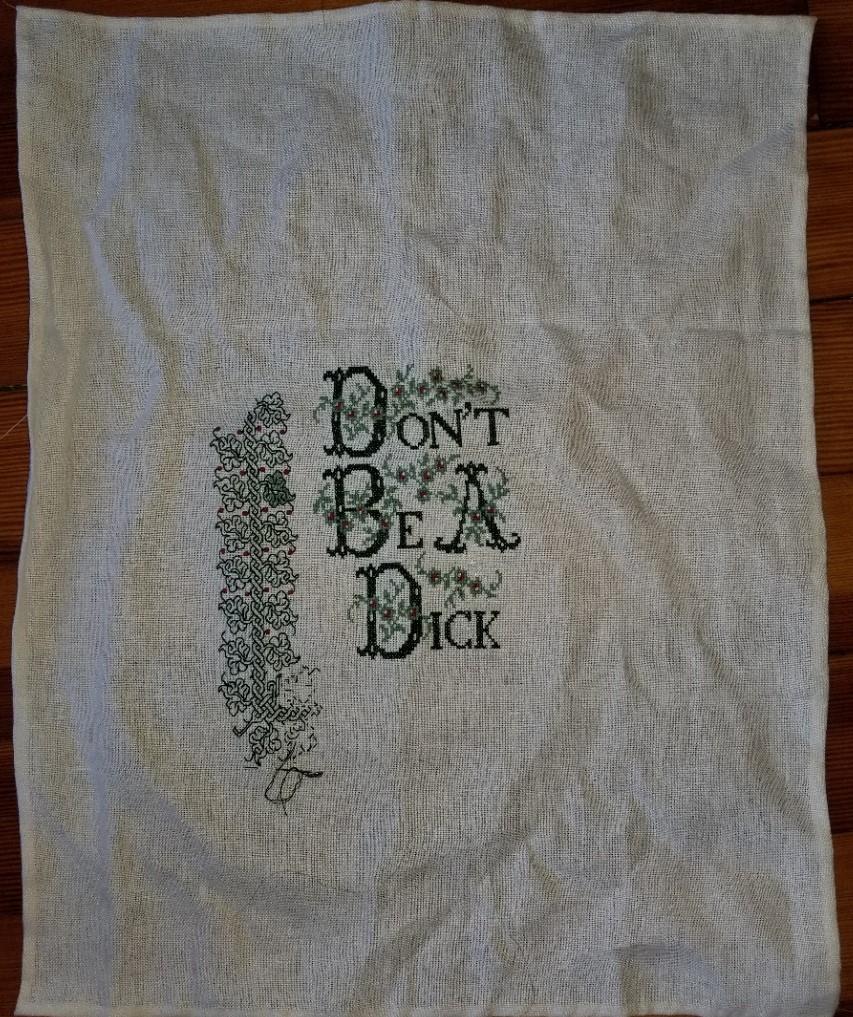
Note that my observation on the skew weave was correct. Those first couple of leaves on the return under the letters are differently proportioned than the leaves in the edge’s vertical part to the left of the motto. That will become more evident as I march along. I don’t remember exactly where I got this piece of pre-packaged ground, or how long it has sat in stash – possibly purchased, possibly as part of a supply salvage gift from a friend who passed it on to me, but certainly not recently. As it is, I will not use anything from defunct company “MCG Textiles” again. Ground sold as evenweave should be exactly that (ok, plus or minus a smidge I will forgive), but a 16% difference between the number of threads in warp and weft is flat out misrepresentation.
The corner is incomplete. I forgot to pack the correct shade of my garnet floss, so the little berries/grapes in the corner will be done later tonight. On the one green leaf, I’m still deciding whether or not to fill in all or some of the leaves. I used plain old cross stitch with one strand of DMC floss for that, flat out skipping partials, and only working full cross stitch X-units. It’s passable. It’s also tedious. When I am done with the double running I’ll make the grand decision. Every leaf, alternating leaves, or none at all.
Now. Where was I that I was working “on the go”?
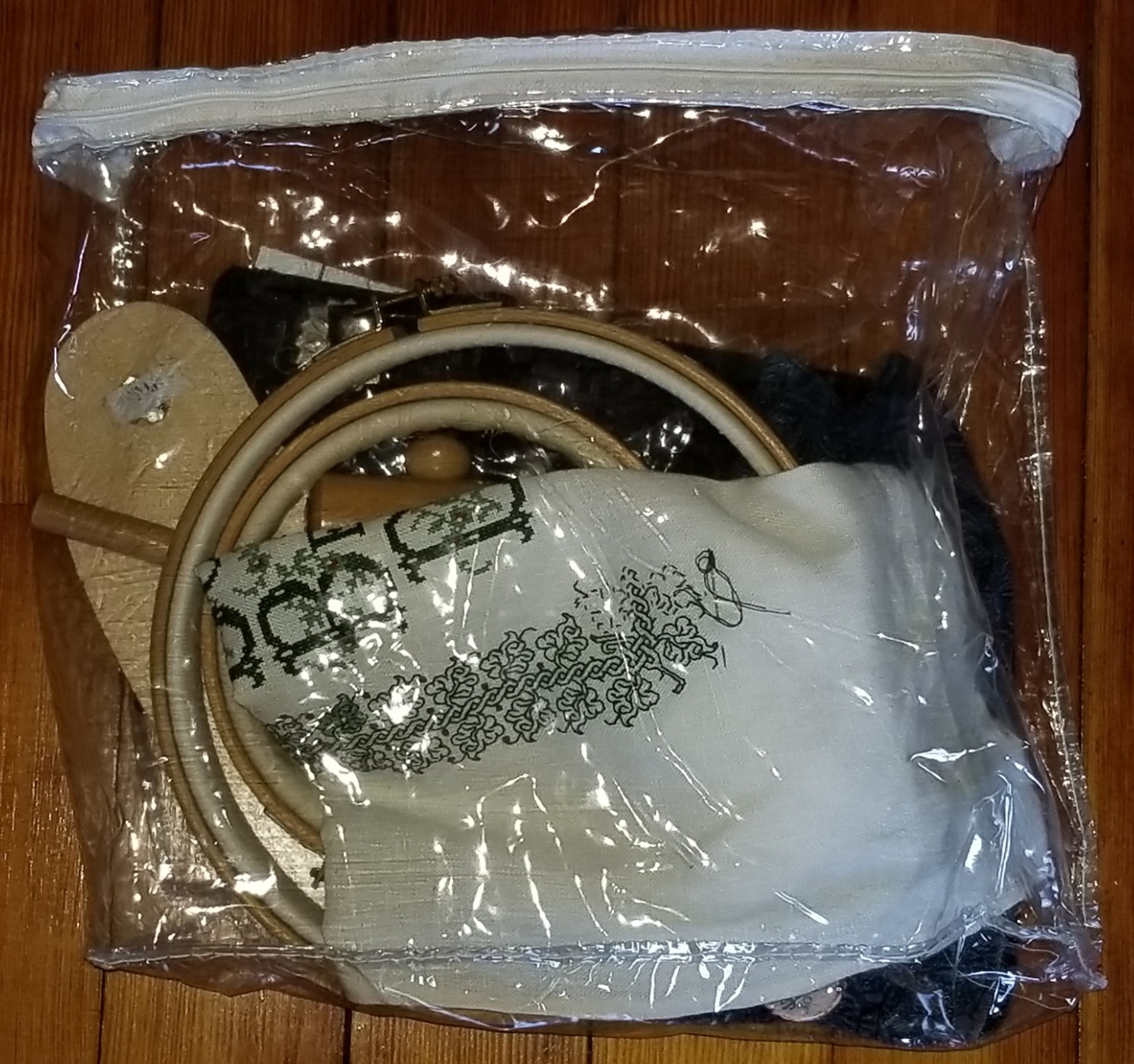
We ran away to our place on Cape Cod for a last weekend before the renters descend. We went with some long time friends, so it was doubly fun. And I brought this project with me. Folk have asked before how I pack and bring projects, so here’s a thumbnail. Note that I didn’t do it perfectly this time – after all, I ran out of garnet. 🙂
First, the container. The plastic zip bag below (shown both sides) is something I saved the last time we bought a full set of queen size sheets for our bed. It’s rectangular, with an interior pocket, and a zip all the way around one end. It’s also a very tough plastic.

Here you see the main components of my travel kit – the three pieces that make up my sit-upon frame, the project itself, a zip pouch containing essentials (threads, beeswax; my third-best pair of scissors on a retractable spool and a laying tool, both attached to a beaded badge holder; my needle nose electrical assembly tweezers); a little magnetic stand/folder (with magnetic needle minder attached); and a spare in-hand hoop.
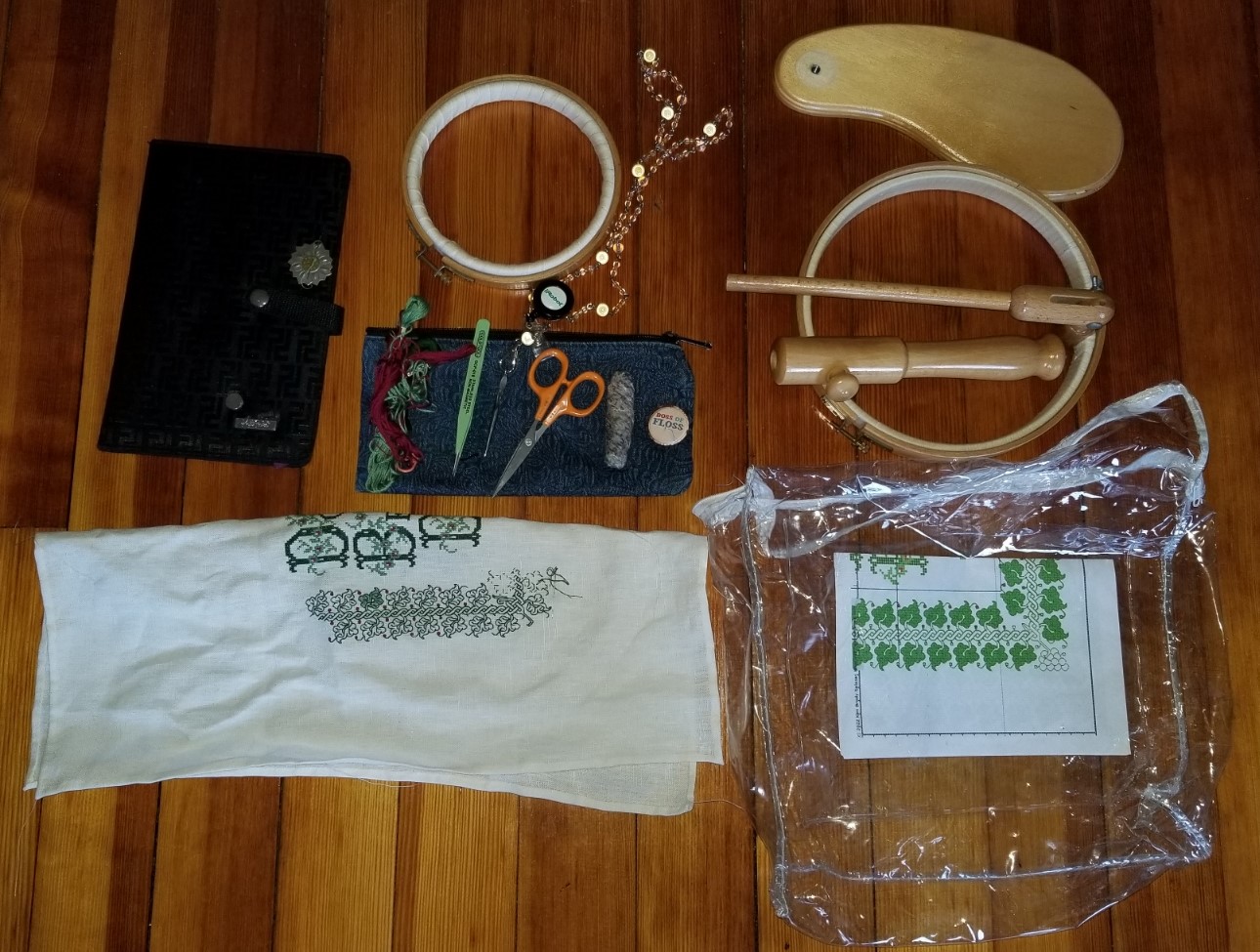
Note that the stand itself is an easy assemble/dissemble, and fits in the pouch with the project. I bring the spare hoop because it’s not always comfortable or possible to use the sit-upon, and because the sit-upon features a fixed hoop-on-stick, it’s cumbersome to use without full assembly.
When I stitch on the beach I leave the magnetic stand folded in the interior pocket of the see-through plastic pouch, with the pattern page on top. If necessary I have a place-keeping magnetic strip that can grip the board through both the plastic and the paper pattern. That way I can keep my pattern safe from dampness and wind on the beach. The supplies/tools zip stays safe in the transparent plastic bag, too, although I do either wear the beaded “chatelaine” around my neck, or clip the retractable badge holder that minds my scissors to my beach chair.

ANOTHER OPENING…
I offered to make one of my nieces a pair of socks or an embroidered bit – noting that I would be happy to stitch up any saying, no matter how profane it might be. She was amused and intrigued by the thought of naughty embroidery, padded off to think, and eventually returned with a request that I’d term more cheeky than offensive. True to my word, I’ve plunged in. The pearl-clutchers who sent me private notes decrying my lack of taste for the Covid sampler and removing themselves from following this website are no longer here, so at this point there should be few left to object.
First a method description because folk have asked how I go about starting a new piece.
I selected a piece of ground from my stash – a piece of 32 thread per inch evenweave with the branding “MCG Textiles.” Well, it claims to be 32 tpi, but it’s really 32×38, so some distortion is expected. I did this first so I knew roughly what size I was going to be designing to fit, rather than starting with the design then questing in vain for a piece of cloth of the correct dimension.
Then I and Target Recipient had a chat back and forth on the general aesthetics. We established that green was a favored color, considered overall composition choices, and looked at some candidate alphabets and strip patterns for the borders. Once we had general agreement on the direction for the piece, I set in, using my chosen computer-based drafting method – a home-grown solution based on the freeware drafting and image editing program GIMP. I offer a tutorial for that (including templates) here on String (read up from the bottom because the blogging software only allows newest at the top organization.)
This is what I came up with.
The charts below are deliberately blurred because while they are good enough for me, they would need to be cleaned up for use by others. Plus I am not sure if I want to add them to the permanent collection here. Target Recipient would have to give permission, for one.

For the record, the leaf and twist border is available in Ensamplario Atlantio II. The alphabet used for the initial caps is from Ramzi’s Patternmaker collection of pre-1920s European leaflets, Sajou #160. The body text from an older book on my shelf – Creating Historic Samplers, by Judith Grow and Elizabeth McGrail, Pine Press, Princeton, 1974. Original elements of this piece not published before include the supplemental embellishment around the words, adapted from the flowers on the initial caps, and the corner for the leaf and twist border.
The next step was to choose my colors – DMC 890 for the darker green, DMC 320 for the lighter green, and DMC 816 for the tiny flashes of garnet red.
Now we get to the fun part – setting up the cloth to begin stitching. The first thing I did was to square off the cloth. I unraveled the thing around the edges, removing all partial threads until I had a full span of both warp and weft. Then I carefully trimmed off the remaining “fringes” left from the unraveling process. I’ve written before about the poor quality control on the MCG packaged product, and this sample was no different. It was quite skew in cut and desperately needed this squaring to determine true grain and useable size. In this case, I lost about an inch of width in one direction and about a half-inch in the other. Having done that I cut the piece allowing a generous border all the way around the stitched area dimension.
Cut piece in hand, next I had to make sure it didn’t unravel further. I have to say am not a fan of taping the edges, and I’ve had equivocal results using zig-zag stitch on my sewing machine to secure them. I’ve had the whole zig-zagged strip pull off. I don’t have a serger, so I stick with old fashioned hand hemming. For this small project that took about an hour to do a finger-pressed double turn hem, a little less than a quarter inch deep all the way around. I followed the ground threads as I did this, so my hems are (mostly) even. Since this will be framed or otherwise finished so that the edges won’t show I wasn’t super-exact about mitering the corners perfectly, as I would be with a handkerchief, napkin or placemat.
The last step of preparation is determining the exact center point and adding the basted orientation guides for both the vertical and horizontal center lines. I use a light color plain sewing cotton for this, and I don’t bother to make the basted stitches any particular length long (some people carefully stitch these over evenly counted blocks of the ground threads). Just having the simple lines are good enough for me. You can see them along with a bit of the hem in this work in progress shot:

Now it’s just a matter of transcribing my graphed out design to the cloth, using cross stitch for the wording. I’m using two strands of the DMC floss for maximum coverage.
When I get up to the surround I will probably switch to double running, and work the outlines and veining of the ivy leaves and twist in the dark green. I am thinking of using one of the more open fillings, diagonal, boxy, or steps, for the infilled areas, and doing them in the lighter green. We’ll see if I change my mind and do something else when I get there.
All in all I expect this one to be a relatively quick stitch. It’s not large or complicated. Here’s progress as of last night. Considering I started this on Friday night, it’s flying.

I hope this step by step on beginning a project is helpful to someone. And as ever, if you enjoy my designs, free broadsides stitch-along and books, and my published books, please post pix. Obviously I’m in this for joy, and few things make me happier than seeing my designs being worked up by others.
FIREFLIES DONE AT LAST!
My try at replicating a sweater I knit back circa 1983 has both failed and succeeded.
I started out wanting to redo this Penny Straker original – her Eye of the Partridge men’s pullover.

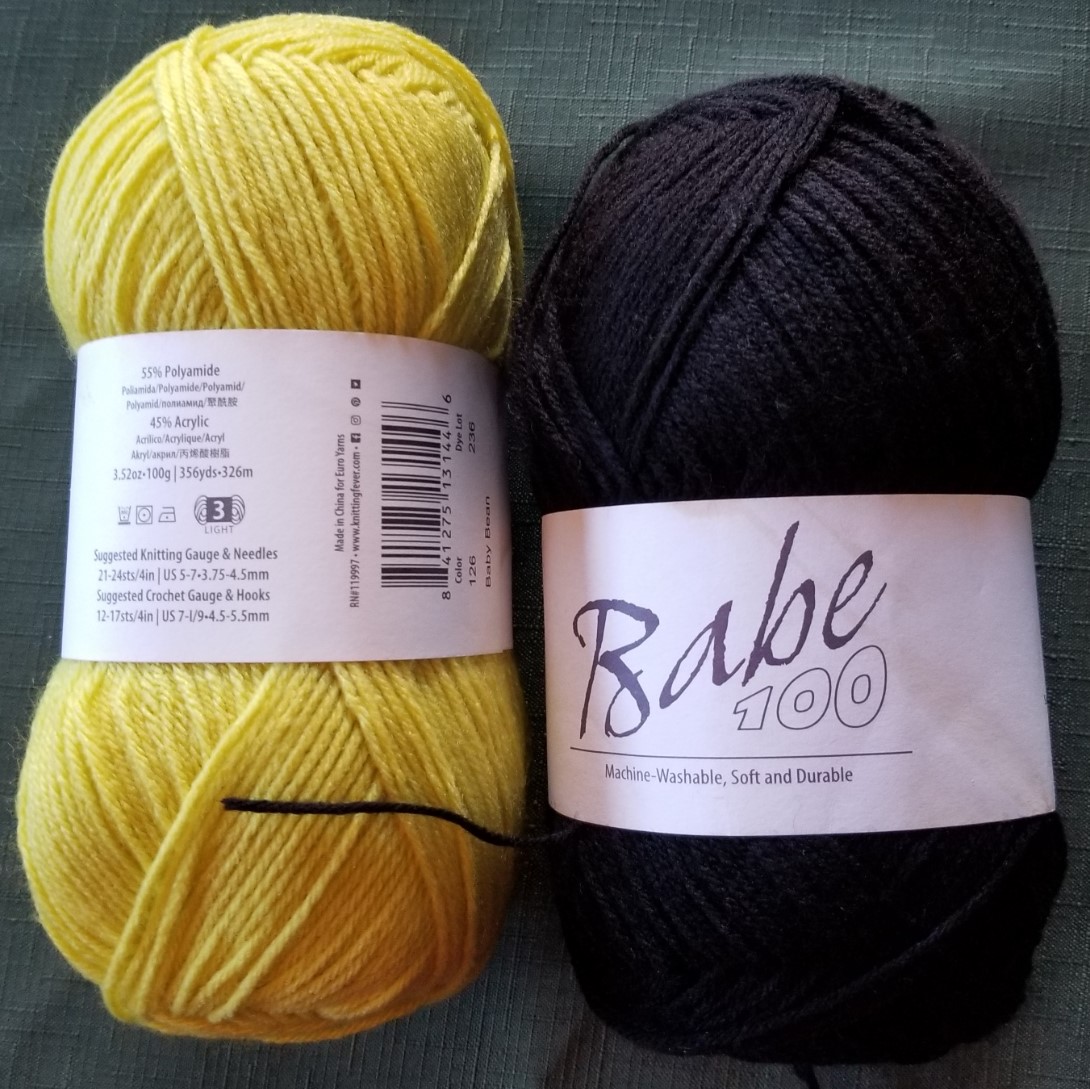
I remember having done it in Germantown, a 100% wool true worsted (5 spi). Younger Spawn (the target recipient) and I took a detour to Webs back in January, and we selected some Babe 100, more of a DK (5.5 spi) than a worsted, but very soft, in the perfect colors, and bargain priced.
I took it home and using the kid’s measurements against those of the Straker pattern, and compensating for the finer gauge, I set in. The original was worked in four pieces, front, back, sleeves, and then seamed. Front and back flew by quickly, no problems. But the sleeves were problematic. I knit them both at the same time, and I ripped back and restarted three times. No matter what I did, I couldn’t get the length and the rate of decrease on the sleeve tops to mate neatly enough with that on the front and back. And without that direct match, neat seaming would be impossible.
So after crying about much spilled milk, I gave up, unraveled the entire thing and began again. This time though I thought I’d attempt a one-piece/top-down construction to gloss over the whole matching decreases for seaming problem.
With the specifications of “narrower ribbing, boxy, oversize body to a specific length, and sleeves of a specific length” I began, roughly using Knitting Fool’s percentage system. I input gauge and measurements. At a couple of places, I modded the instructions as per instinct. And it worked.

Yes, there’s a glaring anomaly in the thing – the below-elbow double-wide yellow stripe. But since both sleeves match (I worked them side by side), I decided to claim it as a feature instead of a bug.
The recipient has tried the thing on and is totally thrilled with fit, especially liking the deliberately baggy and swiftly tapered sleeves. So I count this one as both a failure for not being able to wrangle the initial pattern properly, and as a success, for having pulled off a satisfactory finish that’s more or less faithful in look to the original.
Now back to stitching, maybe with an occasional side trip into socks because they are the poster child for a quick finish, portable summer beach project.
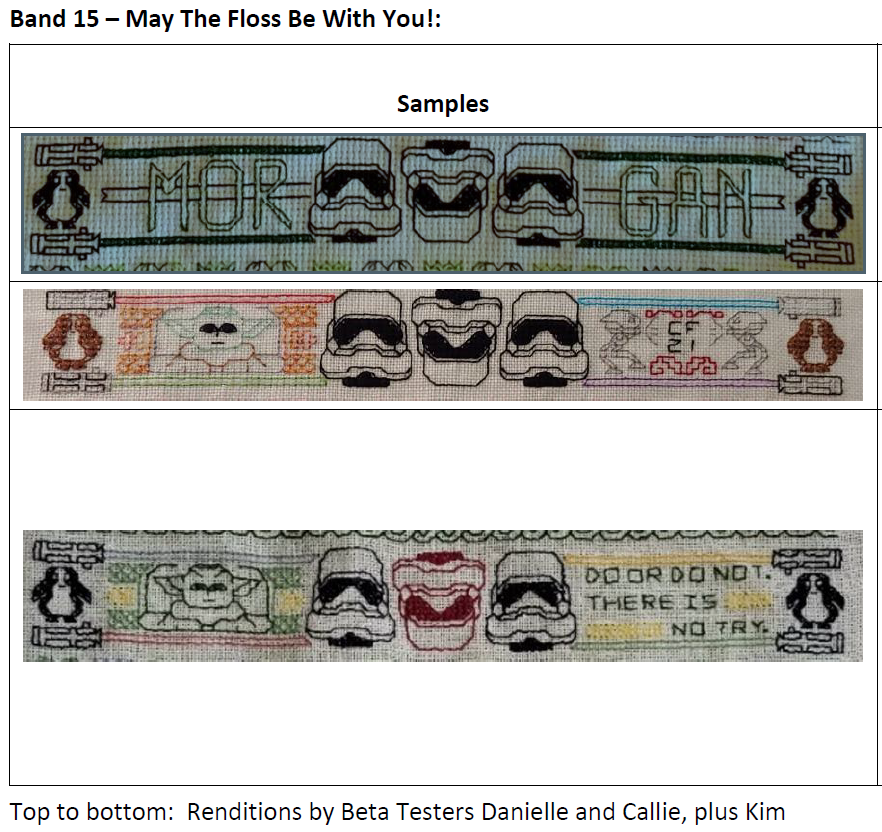
EPIC FANDOM STITCHALONG – BAND 15
MAY THE FLOSS BE WITH YOU
The tribute here should be obvious. But there’s always room to insert yourself into the action, and this band is designed specifically for that. Obviously, the chart bears my initials over a ribbon, but it’s easy to modify to include yours there instead. Or instead of big initials, you can include a smaller set, bracketed by tiny AT-ST walkers. Or you could draft up a short saying, dedication, or motto to fit the spaces left and right of the center helmets. Or you could either doodle something else entirely to put in those spaces, or use the extra motifs I provide.
The whole idea of this strip is to help to make the piece uniquely yours, either through selection of the provided elements, or by taking that step into modifying a design or even drawing up your own bits for those two spaces. To that end there’s a worksheet on the last page of this band leaflet. I offer the layout, two sample alphabets (one large, one small); a panel with spaces to draw in your final design, plus a few “rehearsal” slots below with the corners of the available space drawn in, and those extra motifs.
Time Factor 5+ entirely for the accompanying layout and design task, plus the long straight stitch runs. (I can hardly wait to see what people dream up).
134 stitches wide x 17 stitches tall. 2 blank rows left between this and the following strip. If worked as a stand-alone continuous band, one full repeat in 134 units, plus one blank unit in between the full iterations.
Use one color, multiple colors, or variegated threads, as you prefer. As with the rest of Epic, there are no rules or must-do approaches.
As usual this band plus working notes and hints has been appended to the bottom of the write-up on the SAL page, accessible via this link or via the tab at the top of every page here on String-or-Nothing.
If you are working our Epic Fandom SAL either as a whole or as a strip excerpt, please let me know. It gives me great joy to see how my “pattern children” fare out in the wide, wide world, especially when they meet up with creative, playful people. And if you give permission, I’d be happy to share your pix of this developing sampler, it in its finished state, or derivative projects including one or more of the Epic bands here on String, in a gallery post, with full credit to you as interpretive artist.
Band 16 will debut on the Facebook Enablers group on 21 June and will be echoed here on 5 July.
#EpicFandomSAL
EPIC FANDOM STITCHALONG – BAND 14
SNACK BREAK
Another respite from evil. We take a snack break, complete with pretzels. Or a twist that makes me hungry for them. Think of this as a seventh inning stretch. There’s a lot more game to come, and quite a bit of excitement left. When you see Band 15, you’ll appreciate coming off this bit of rest.
Time Factor 1, but stay awake! There are twists and overlaps to keep sorted out. But through it all, I promise – NO partial stitches.
134 stitches wide x 15 stitches tall. 2 blank rows left between this and the following strip. If worked as a stand-alone continuous band, one full repeat in 15 units.

Use one color, multiple colors, or variegated threads, as you prefer. As with the rest of Epic, there are no rules or must-do approaches.
As usual this band plus working notes and hints has been appended to the bottom of the write-up on the SAL page, accessible via this link or via the tab at the top of every page here on String-or-Nothing.
If you are working our Epic Fandom SAL either as a whole or as a strip excerpt, please let me know. It gives me great joy to see how my “pattern children” fare out in the wide, wide world, especially when they meet up with creative, playful people. And if you give permission, I’d be happy to share your pix of this developing sampler, it in its finished state, or derivative projects including one or more of the Epic bands here on String, in a gallery post, with full credit to you as interpretive artist.
Band 15 debuted on the Facebook Enablers group today and will be echoed here on 7 June.
IN WHICH I ATTEMPT TO GARDEN AGAIN
Once more it’s time for this household’s annual blood sacrifice to our garden demons. Aided by a pal with infinite patience, I made a foray to a nursery/garden center to buy candidate perennials for our front mulch garden, and shrubs for along our northern shady side of my neighbor’s stockade fence.
And in doing so, I inadvertently added to our already growing collection of poisonous and poison-associated plants. First, for along the fence I bought four elderberry bushes. Anyone who has seen or read Arsenic and Old Lace knows the reference. The Resident Male will help me plant them over the weekend. Here they are in the garden center, innocently ignorant of their coming fate at my hands:

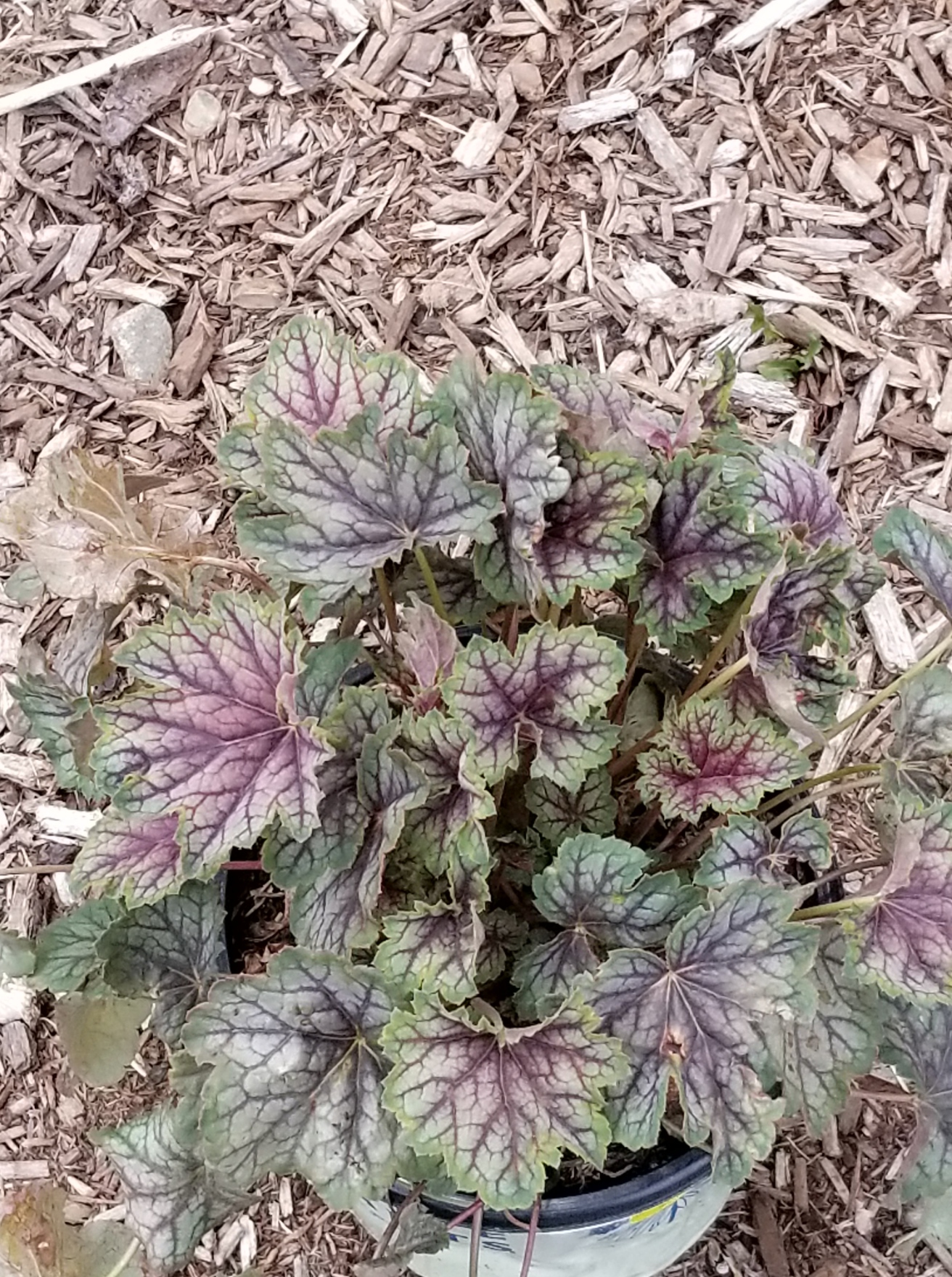
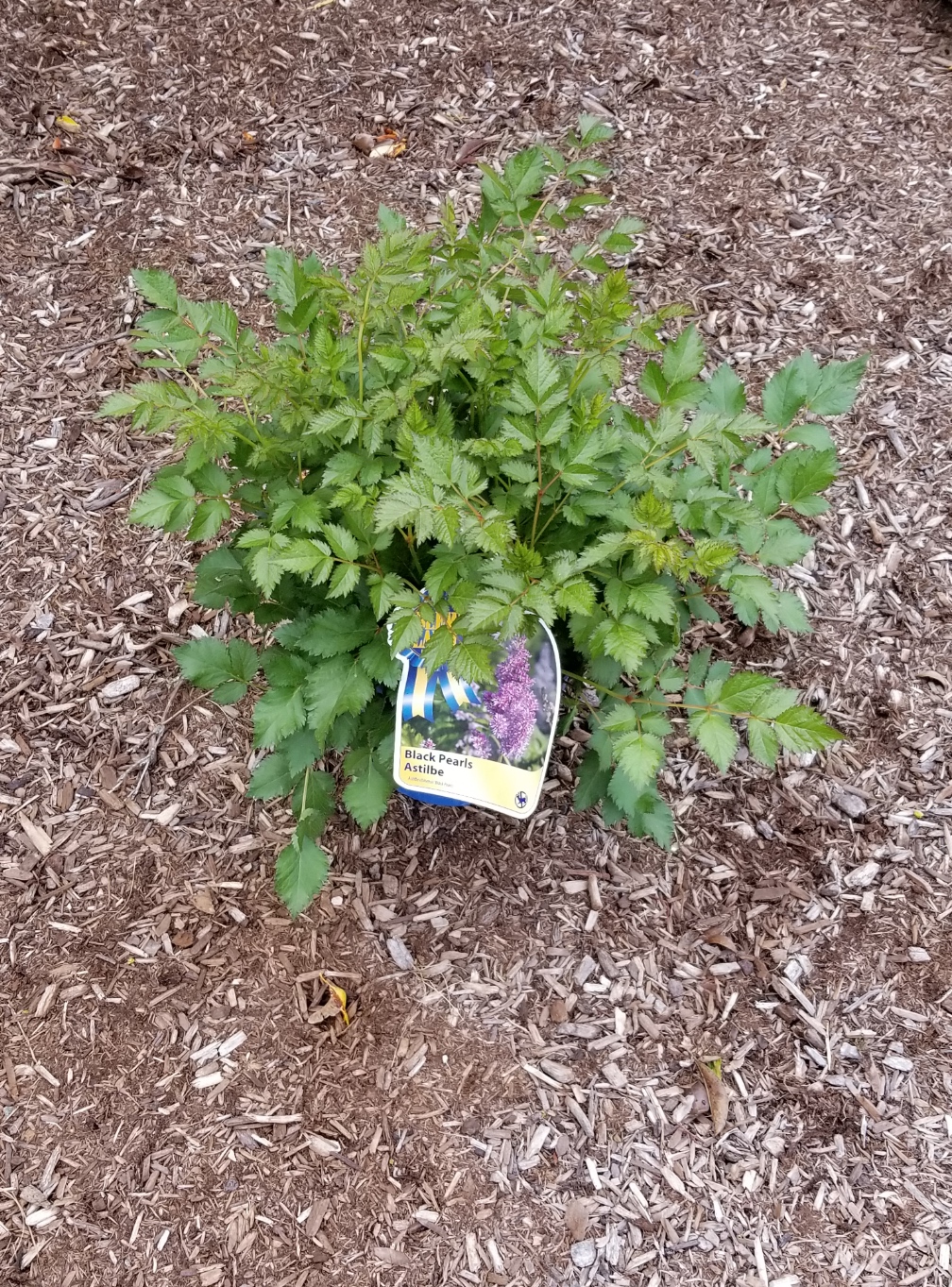
For the much garden my plan is to scatter specimen perennials across it, with taller ones in back, and infill the spaces between the survivors with additional plants in future years. This area faces east and gets morning sun, but quickly goes to shade for the bulk of the day, eclipsed by the house’s shadow. Here’s this year’s rogue’s gallery:


Top left – An aconite, also known as wolfsbane and monks hood. One of the poison players. It is supposed to top out at about four feet (about 122 cm), and sport tall blue flower spikes.
Top center – A strange mounding hosta variant with thin, curly crimped leaf edges. Too weird to pass up. He’s only going to be about 6 inches tall, and is in the front. Hostas are poisonous to dogs and cats.
Top right – a brunerra. Apparently we already had another variety of brunerra, a survivor of last year’s plantings. It has tiny star shaped blue flowers just beginning to open. Not sure what color flowers this one will have, but he is a much larger leafed variety, or will be when he’s mature. He’s in the middle area, and will be about 12 inches tall (about 30.5 cm) . Blissfully non-toxic.
Bottom left – A Heuchera, aka Coral Bells. I am also not sure what color flowers this one will have but it doesn’t matter. I got it because of the dramatic foliage. He will be about 16 inches tall (about 41 cm), bigger than the brunerra and is further back in the plot. Also non-toxic.
Bottom right – An astilbe. A BIG astilbe. This one will have purplish pink flowers, and grow to about 2 feet tall (61 cm). He’s in the back near the aconite. Not poisonous.
I moved a resilient peony that survived our decimation of the fence plot late last summer. He’s also in this garden in the hope he makes it. Big floppy white flowers with a pinkish tinge. He’s in a tomato cage in towards the rear.
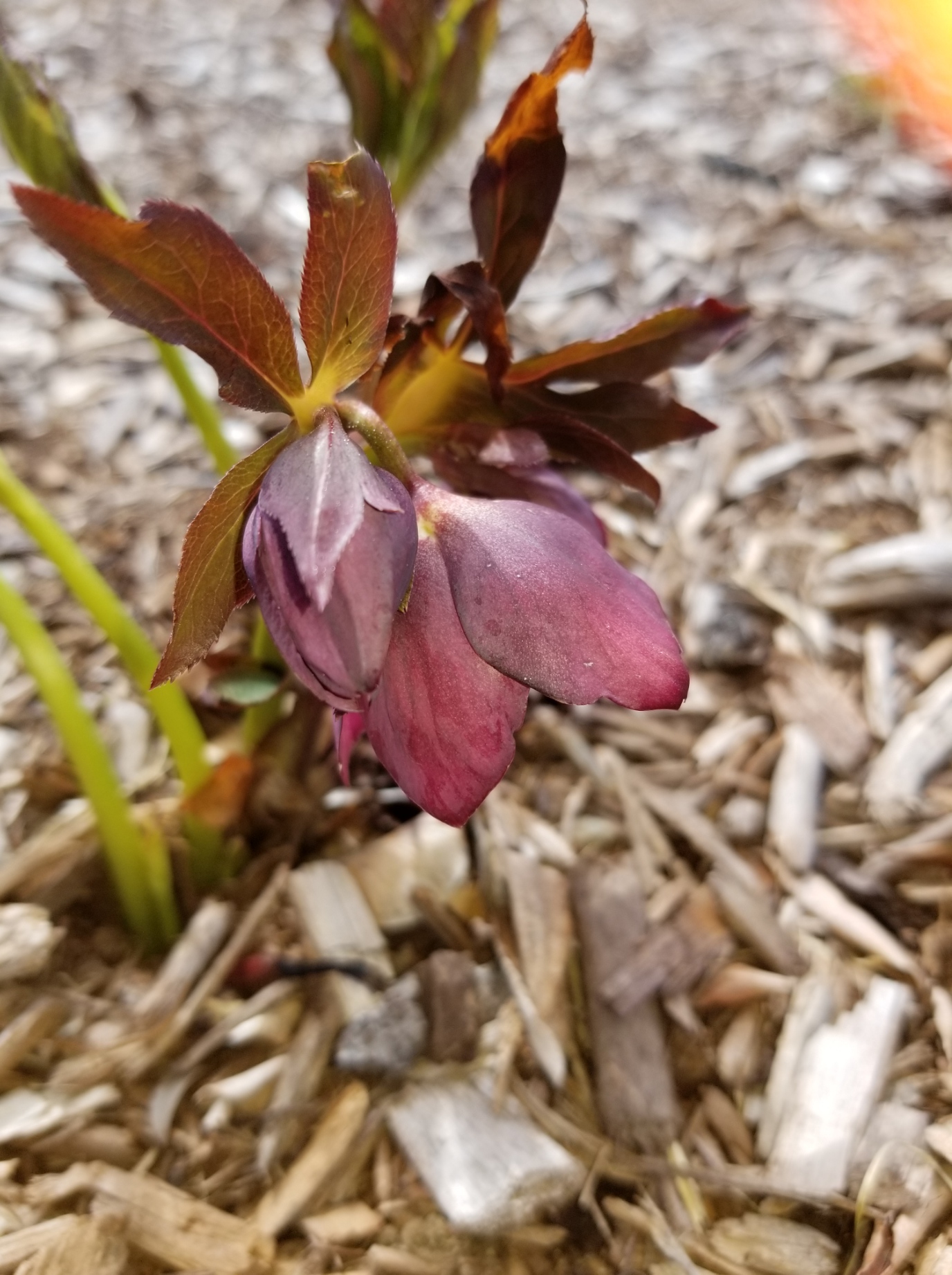
These denizens join my small ground-hugging brunerra and my hellebore from last year. Sadly the blooms on the hellebore appear to have been knocked around in the recent windstorm, and their stem is snapped, but the foliage is growing nicely. And of course hellebore is infamously poisonous to humans and pets.
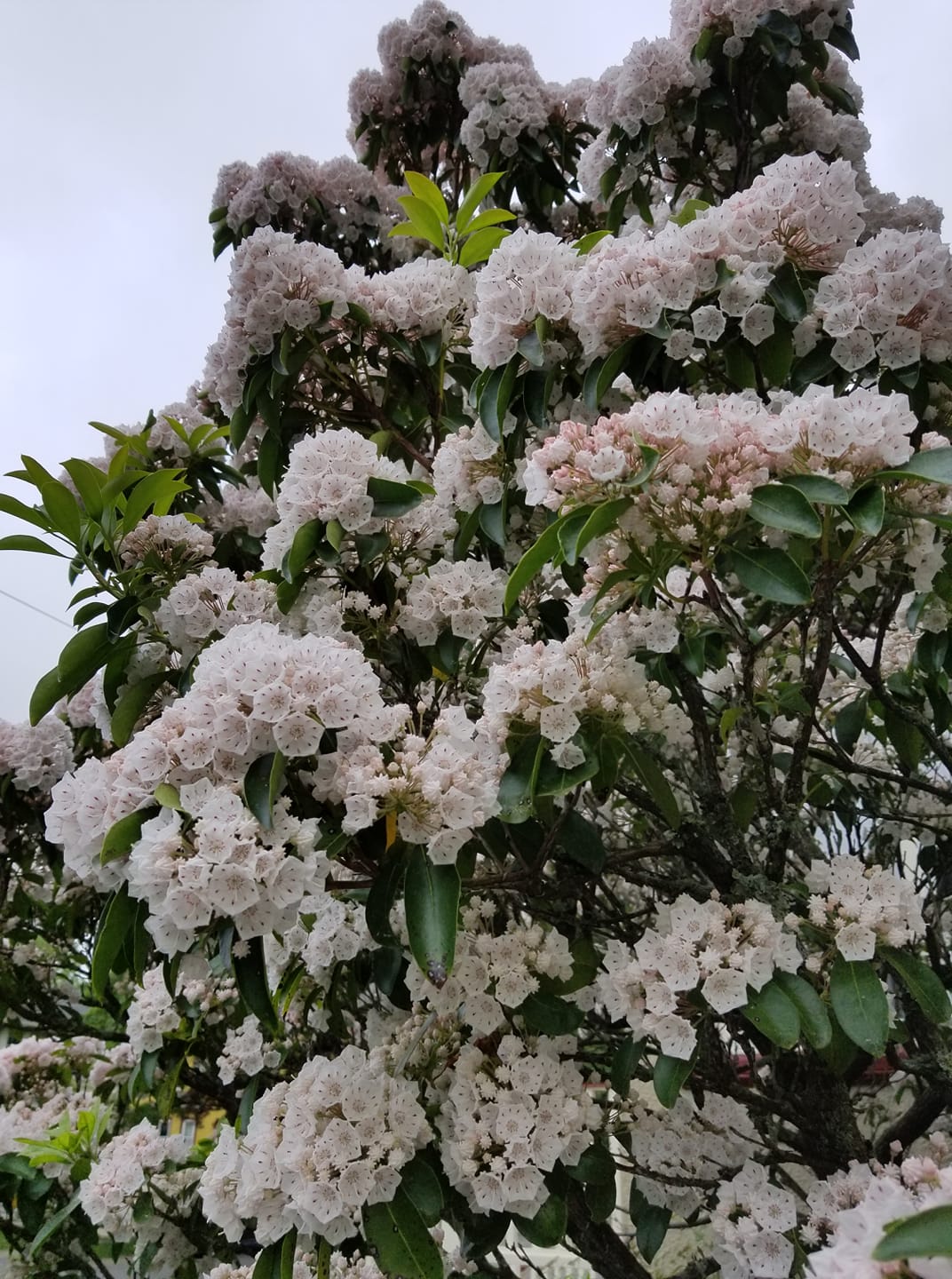
The backdrop to this garden with its mix of toxic and non-toxic residents? Why, a glorious Mountain Laurel of course. Itself on the lethal list. By the end of May it will look like this.
And the family photo – all the boys tucked into the bed.

EPIC FANDOM STITCHALONG – BAND 13
WHERE’S MY FLYING CAR?
Our salute to Retro-Futurism! Slap wings on that SUV and take to the skies. I am dating myself, but I can confess that we kids of the late 1950s/early 1960s were convinced we’d have flying cars by the time we had our own kids, and would be vacationing in orbit or on the moon. But the whole personal computer and Internet revolution, and the phone-in-every-pocket transformation weren’t even on our radar. Just as well. Computer/phone crashes are far less painful than having one’s flying car fall out of the sky.
Time Factor 2, mostly for height and discontinuity (the motifs are separated, and the wind/speed lines present lots of annoying little “orphan islands” to stitch).
134 stitches wide x 15 stitches tall. 2 blank rows left between this and the following strip. If worked as a stand-alone continuous band, one full repeat in 28 units. Note that this strip isn’t exactly centered. I moved the placement in order to squeeze three whole autos into our allotted area.
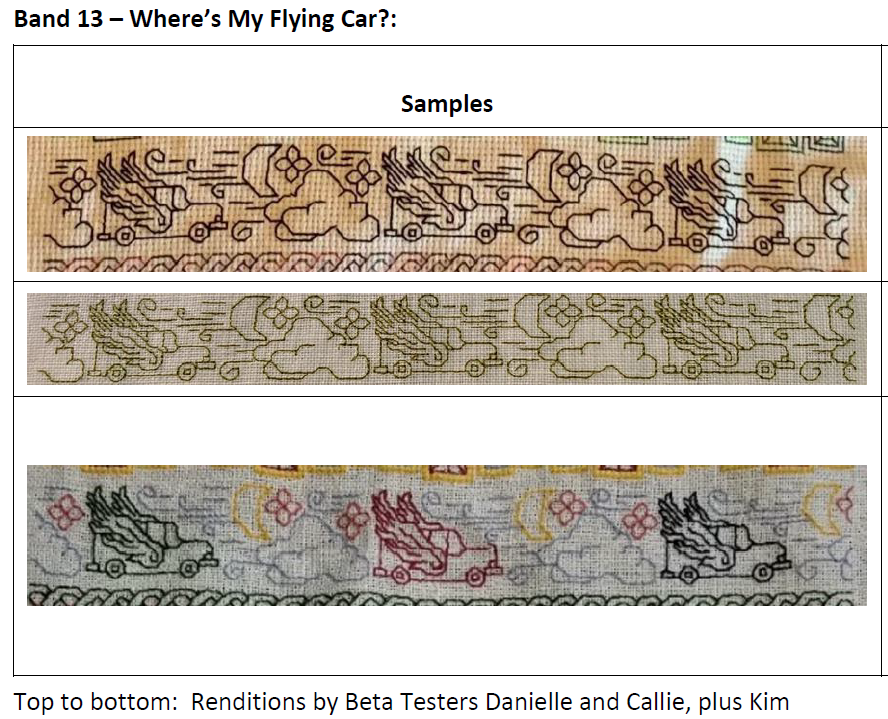
Use one color, multiple colors, or variegated threads, as you prefer. As with the rest of Epic, there are no rules or must-do approaches.
As usual this band plus working notes and hints has been appended to the bottom of the write-up on the SAL page, accessible via this link or via the tab at the top of every page here on String-or-Nothing.
If you are working our Epic Fandom SAL either as a whole or as a strip excerpt, please let me know. It gives me great joy to see how my “pattern children” fare out in the wide, wide world, especially when they meet up with creative, playful people. And if you give permission, I’d be happy to share your pix of this developing sampler, it in its finished state, or derivative projects including one or more of the Epic bands here on String, in a gallery post, with full credit to you as interpretive artist.
Band 13 debuted on the Facebook Enablers group on 12 April. Band 14 will premiere there on 10 May, and be echoed here on 24 May 2022.
#epicfandomSAL

